This is the first post in a series on building business process automation at scale — from infrastructure through statistical validation. The thread: you can automate at scale, but automation without measurement is just making mistakes faster.
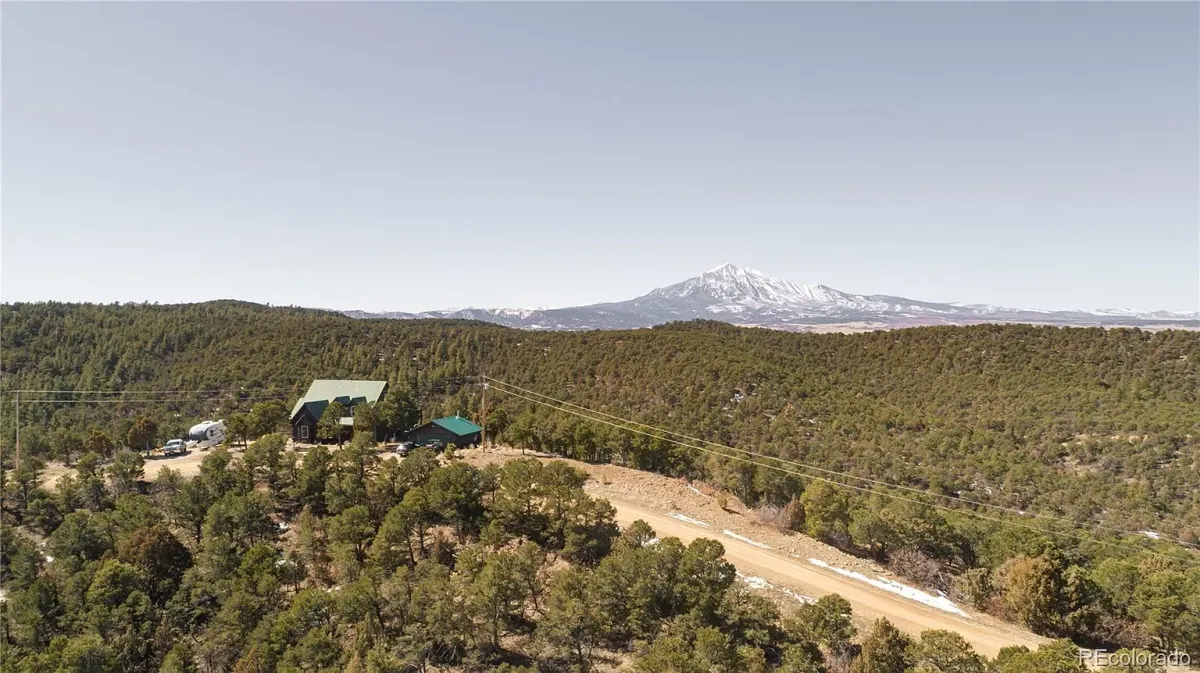
Most people think "The Cloud" is a magical, frictionless place where data just floats. But when you've spent 20 years architecting global systems for firms like Mastercard and Jabil, you know the truth: "The Cloud" is just someone else's computer — and when you're building from a log cabin on 35 acres in Huerfano County, you'd rather own yours.
Setting up Walsenburg Tech wasn't just about launching a local business; it was a "Sovereign Tech" experiment. I chose to trade convenience for absolute control, data ownership, and aggressive cost control.
1. The Strategy: Bare Metal and Plug-and-Play Pipelines
In the corporate world, setting up a production-ready code pipeline often involves a massive "Enterprise Tax" in both time and licensing. For Walsenburg Tech, I wanted that same functionality at a fraction of the cost.
- Hetzner & Coolify: By pairing Hetzner's bare-metal performance with Coolify, I've created a "Plug-and-Play" deployable structure. It gives me built-in code pipelining that we'd spend weeks configuring in a traditional enterprise environment.
- Rapid Iteration: This allows me to deploy, test, and iterate on any type of application at scale without the "Big Cloud" overhead.
2. The Identity Crisis: Crushing the "Per-User" SaaS Tax
One of the biggest hurdles in starting a tech venture like Alpine Base was the cost of basic identity and communication.
- The SaaS Tax: Platforms like Google Workspace or Microsoft Exchange are built on a "Per-User" pricing model. For a self-funded startup, paying $6–$18 per head just for email is a massive barrier to entry.
- The Identity Drop: If you want enterprise-grade identity management with a tool like Okta, the "flag drop" minimum is often around $30,000.
- The Sovereign Solution: I shifted to Purelymail for flat-rate communication and Authentik for identity. I got the same enterprise-grade security and functionality up and running for $20 in hardware costs.
3. The Trials: Managing the Bare Metal Footprint
Doing it yourself isn't without its "Operational Debt". When you own the stack, you own the footprint:
- Aggressive Monitoring: Unlike a fully managed service where the provider hides the hardware layer, I have to eat my own dogfood and be my own Site Reliability Engineer (SRE). I spent significant time figuring out monitoring — specifically having to aggressively track workload and IOPS (Input/Output Operations Per Second) on the box to ensure performance doesn't degrade.
- The Managed Trade-off: Interestingly, you still have to monitor these metrics with the "Big Boys" unless you pay the premium for a completely managed service, which often comes at a price point that makes rural startups DOA.
- The Verification Trap: Google's "Entity Engine" prefers the easy signals of managed services. When I tried to verify my business with a VoIP number (Google Voice), the system didn't trust the virtual node. I had to pivot to high-fidelity verification to prove my physical presence on this 35-acre lot.
4. The Triumphs: Enterprise Power at Startup Speed
While the operational overhead is higher, the results are architecturally and financially superior:
- Named Email for Pennies: We were able to get professional, named email up and running for the entire team at the cost of a single Google Workspace user.
- Enterprise Features for Everyone: By self-hosting, we unlocked features like SAML, OAuth2, and automated pipelines — things you typically don't see without paying the "Corporate Tax." These simply aren't available to most smaller companies.
- Scale on the Cheap: We built a way to scale and deploy almost any application need on the cheap, allowing us to pivot from a blog to a customer portal in minutes.
Infrastructure is step one. In the next post, I'll walk through what runs on top of it — a fully automated KYB verification engine that processes thousands of companies a day.
The infrastructure behind this runs the systems I write about — you can see the code at Blueprint on GitHub.
If stuff like this interests you, feel free to reach out. Whether you're running a ranch or a tech firm, I always enjoy a good conversation about building things that last.