
From the Workshop
Engineering notes from the field — architecture, automation, and agentic AI.

The Same Entity Problem: Why every payments, fraud, and compliance company is solving the same thing
Businesses are shape-shifters — they merge, rebrand, relocate, change banks. The universal problem underneath fraud, compliance, payments, and supply chain isn't string matching. It's tracking entities through time.
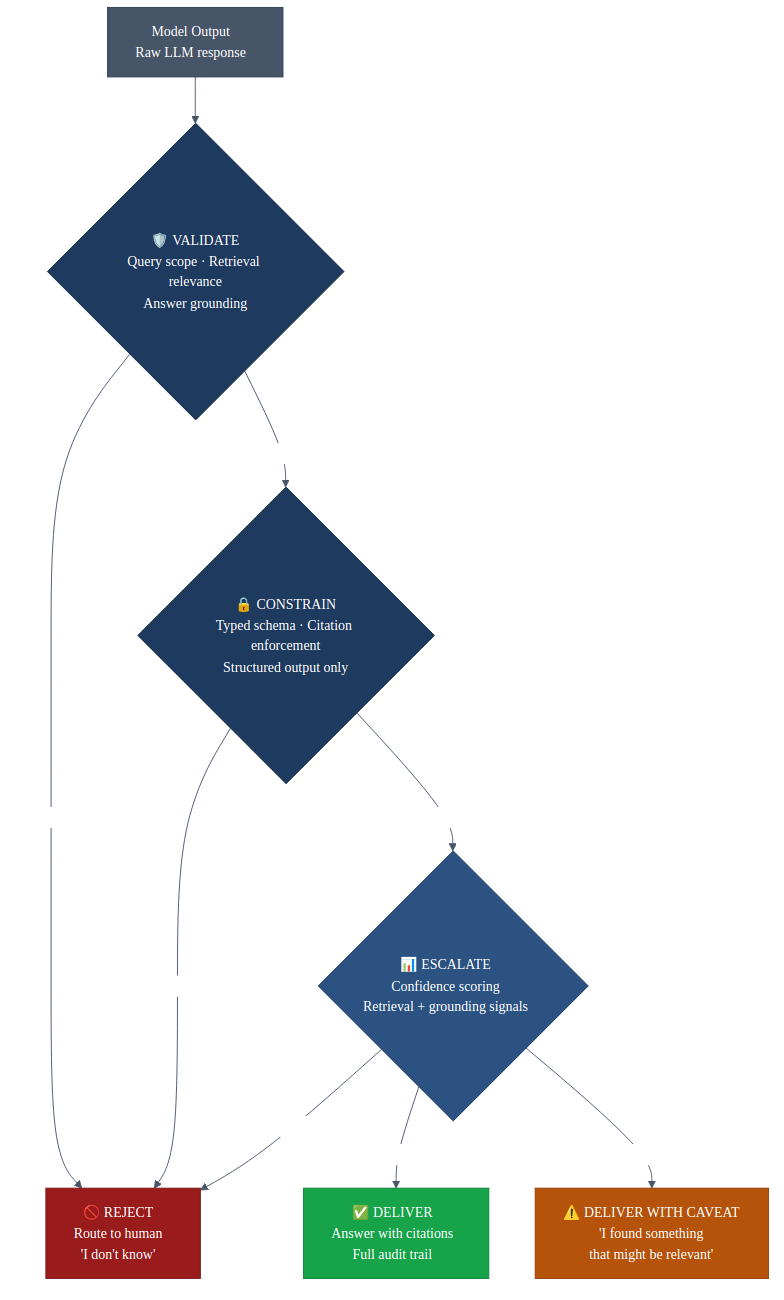
The Verification Layer Is the Product
I ran my production KYB pipeline at FP16, INT8, and INT4. Accuracy held at 92% across all three. A LoRA fine-tune dropped it to 12%. The model wasn't the variable.
The Three Enterprise Layers Are Collapsing Into One
For twenty years, enterprise software separated CRM, orchestration, and back-office into three layers with three vendor contracts. A confidence-gated decisioning layer is collapsing all three — and the vendors know it.
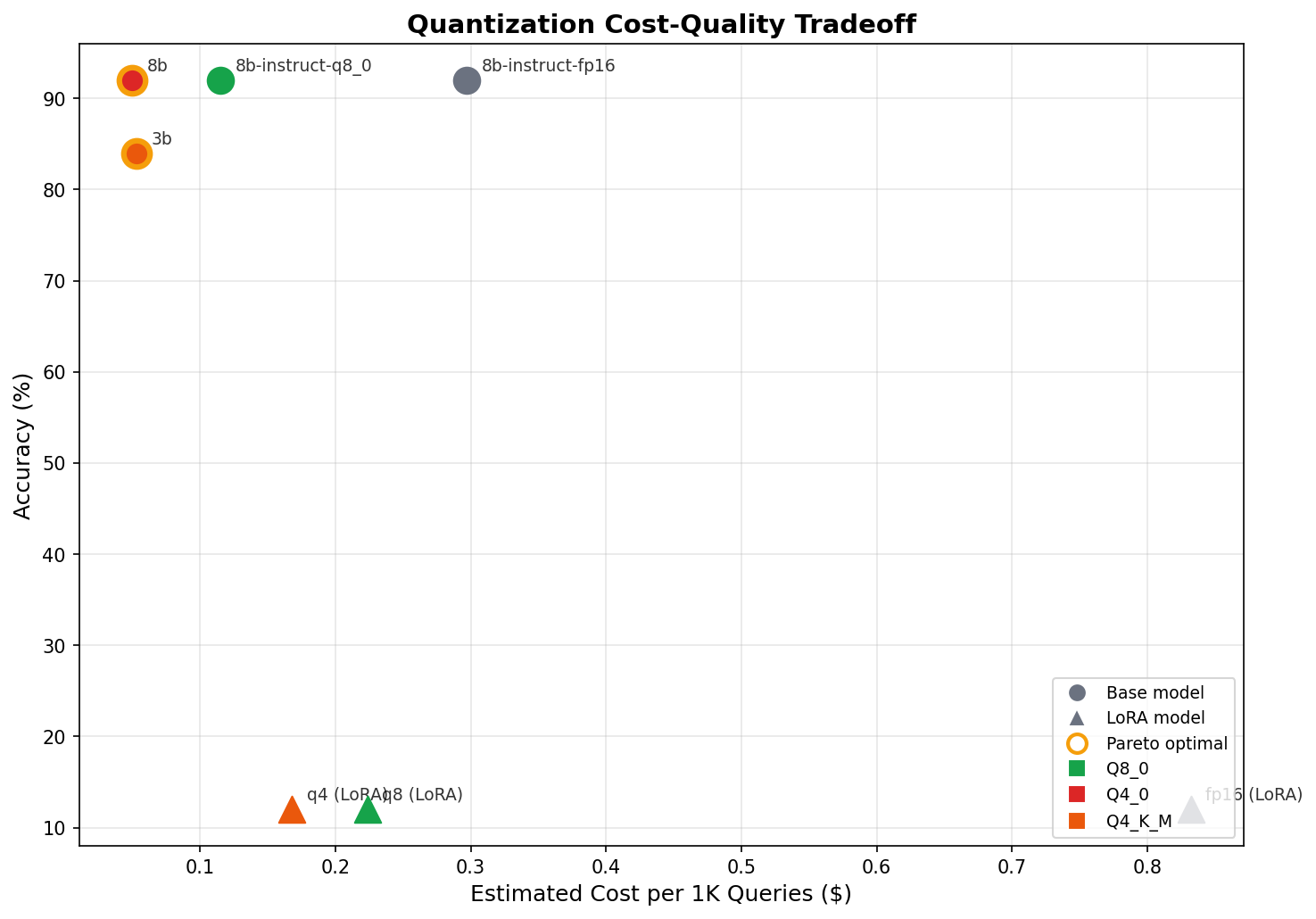
Quantization, LoRA, and the 8% Problem: Benchmarking Local LLMs for Production AI
I benchmarked 7 model variants across 3 quantization levels, tested a 3B challenger, built a self-training pipeline, and attempted QLoRA fine-tuning. The fine-tuning failed catastrophically. Here's what I learned.
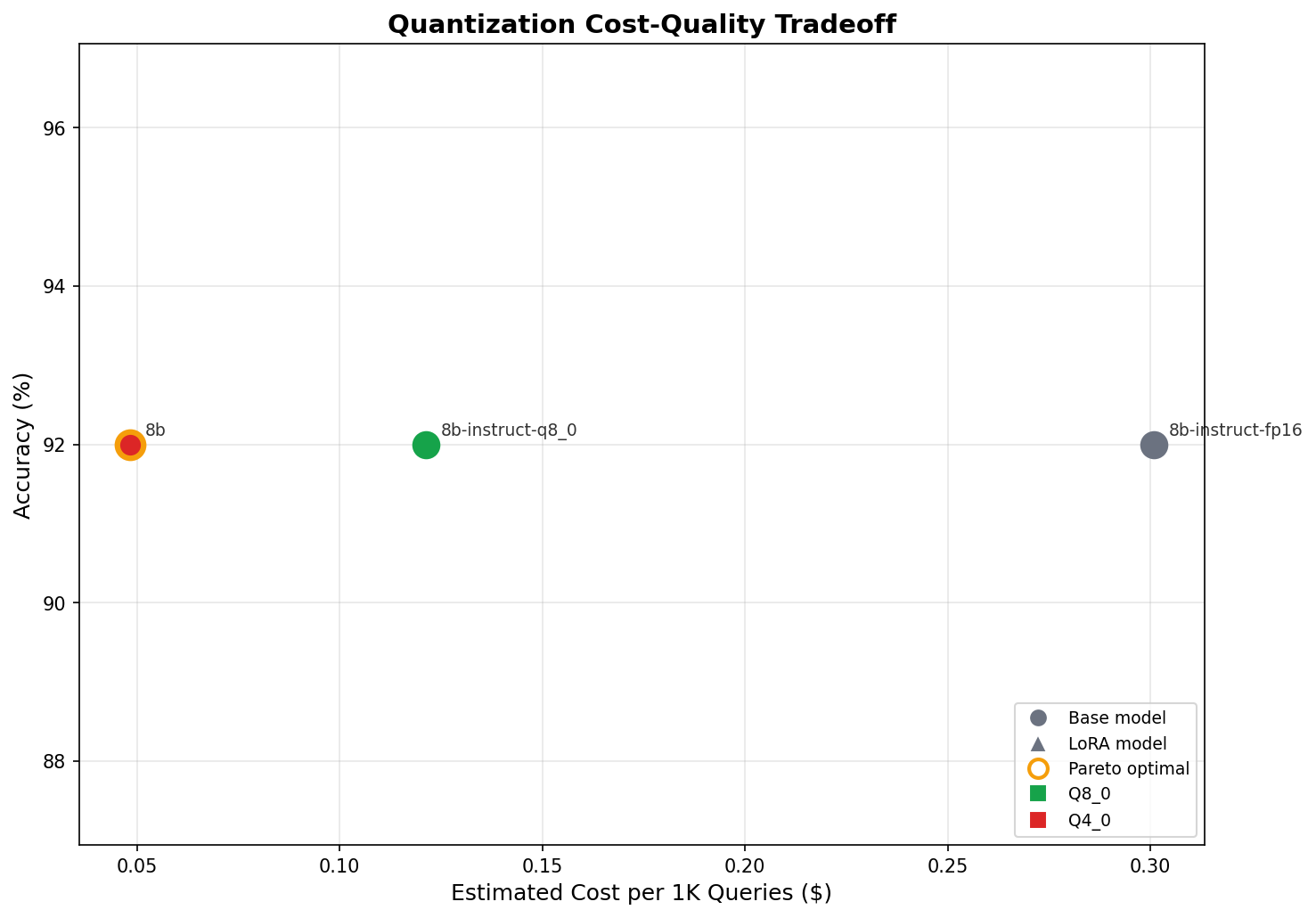
I Ran My KYB Engine at Three Quantization Levels. Accuracy Didn't Move. Cost Dropped 6x.
I benchmarked FP16 vs INT8 vs INT4 quantization on a real KYB verification pipeline. Zero accuracy loss. 5.6x faster. 6x cheaper. Here's the data.
Making Small LLMs Production-Safe: Defensive AI and Glass Box Architecture
Small open-weight models like OLMo are fast and cheap. They're also confidently wrong. The fix isn't a better model — it's two architectural patterns: Defensive AI, where every output is untrusted until proven otherwise, and Glass Box Architecture, where everything around the model is transparent and auditable.
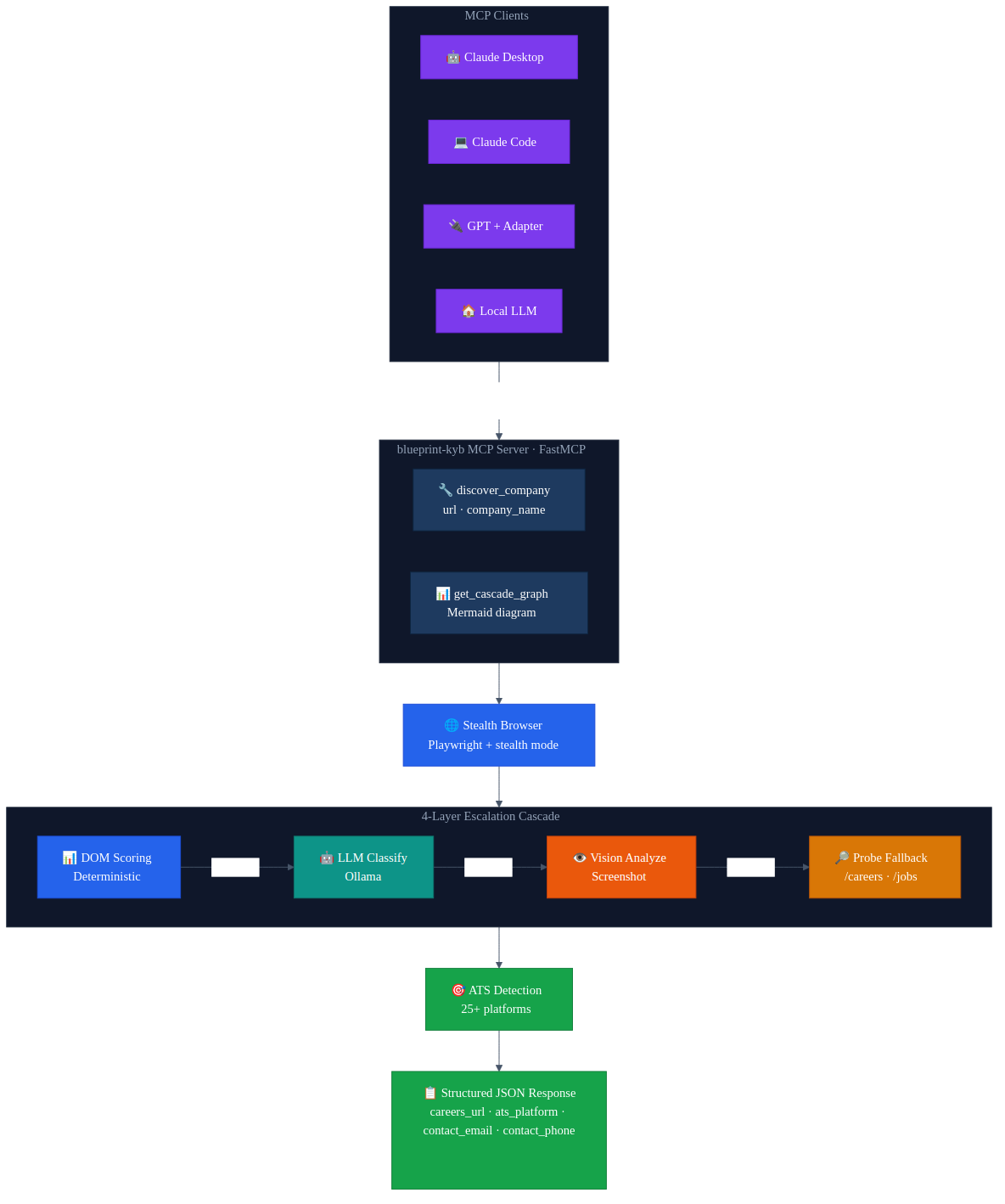
Exposing an Agentic Pipeline as an MCP Server
I had a working KYB verification cascade — stealth browsers, LangGraph, the whole thing. It sat inside my application and nothing else could use it. Wrapping it as an MCP server took 160 lines and an evening.
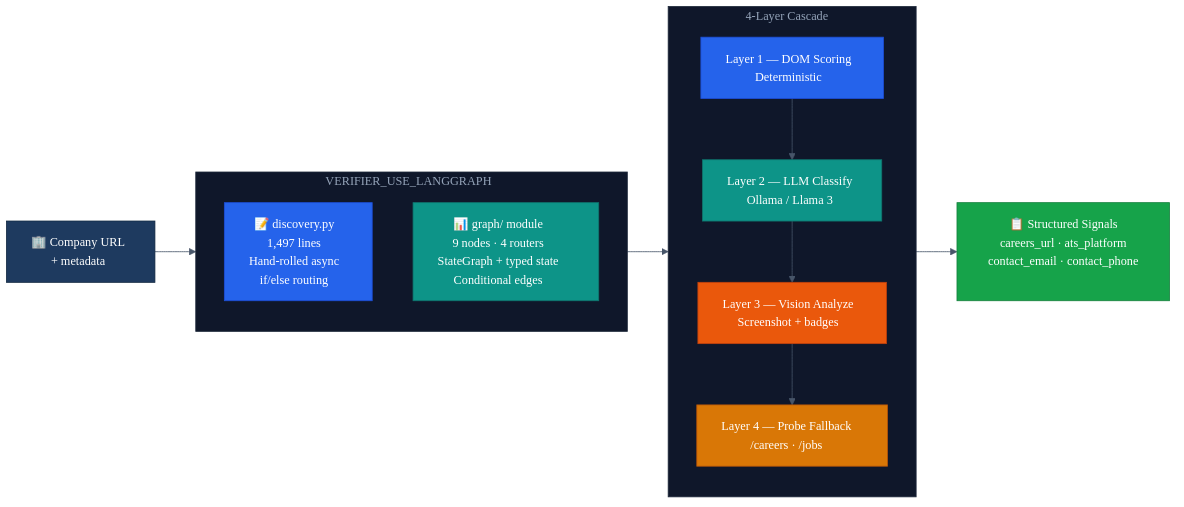
From Custom Orchestration to LangGraph: Why the Framework Didn't Change My Architecture
I built the same AI verification cascade two ways — 1,497 lines of hand-rolled async Python and a 9-node LangGraph StateGraph. You can toggle between them with an environment variable. The outputs are identical. Here's what that tells you about frameworks vs. architecture.
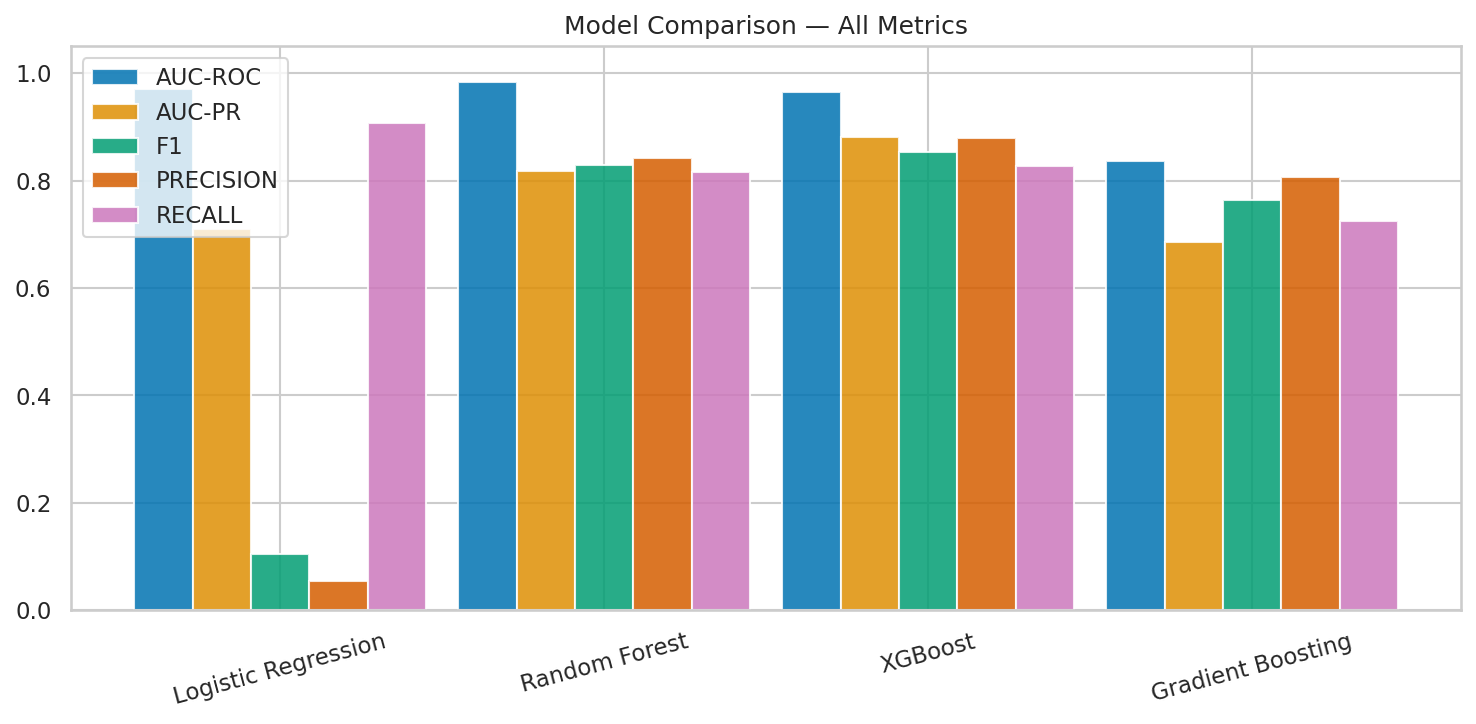
Three Layers Deep: Building a Fraud Detection System That Knows What It Doesn't Know
A single fraud model gives you a number. It doesn't tell you why it's suspicious, or what to do when it's not sure. Sentinel is a fraud detection system built in three layers — rules that catch what's obvious, models that catch what's subtle, and a routing layer that sends the uncertain cases to a human instead of guessing.
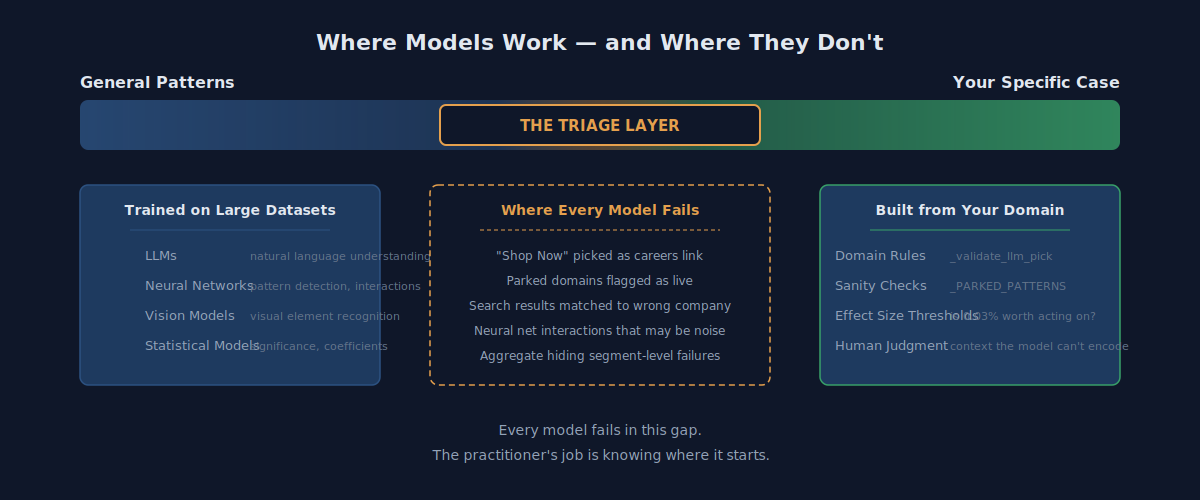
When Models Disagree: General Patterns, Specific Problems
Every model is trained on general patterns. Your business runs on specific ones. When they match, it's magic. When they don't, it's 'Shop Now' instead of 'Careers.' The value isn't in the model — it's in knowing where your case falls.
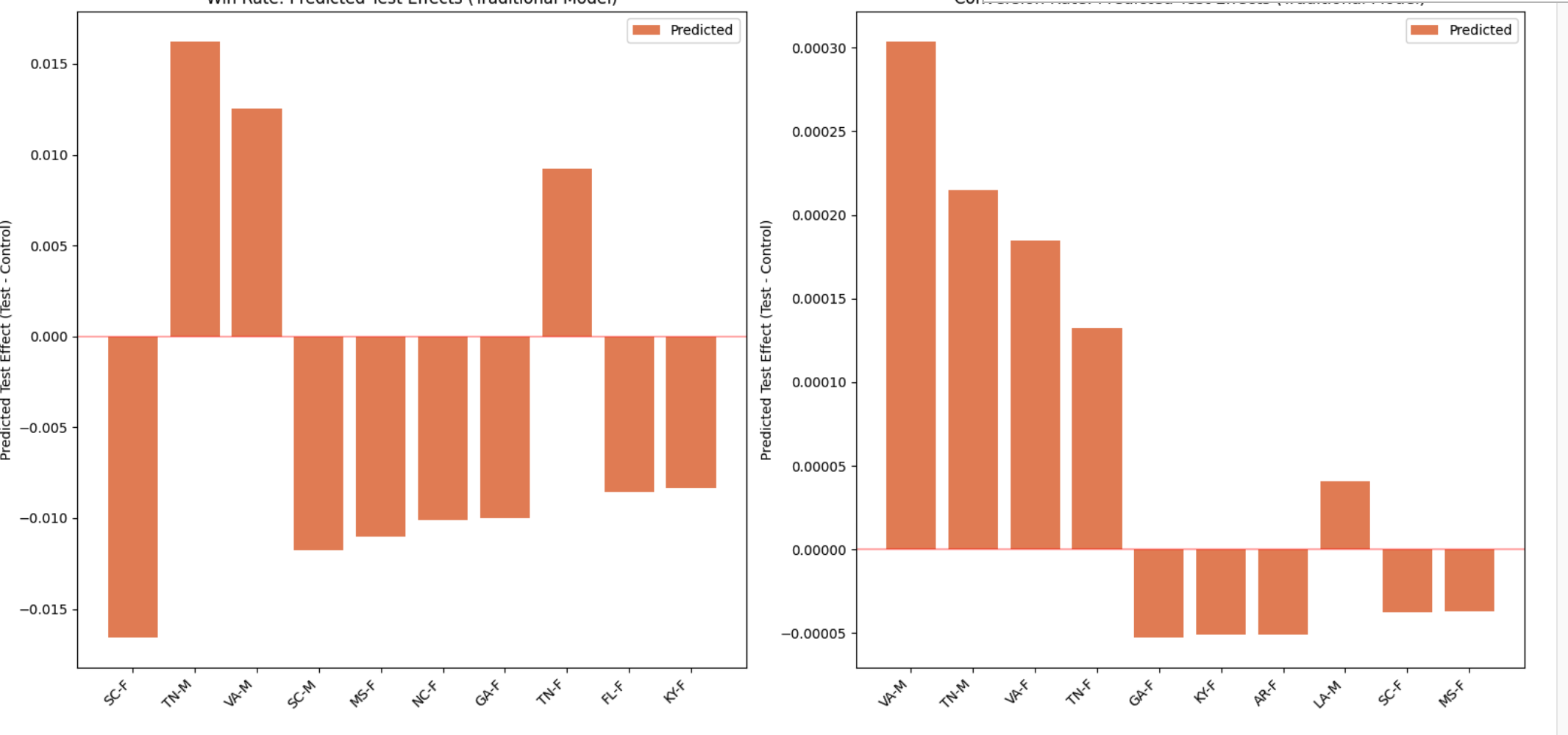
From Proving to Predicting: When Two Models Disagree
We ran logistic regression and neural networks on the same ad tech data. They told different stories. Which one do you believe? That's the same trust problem behind every AI agent and every automated decision.
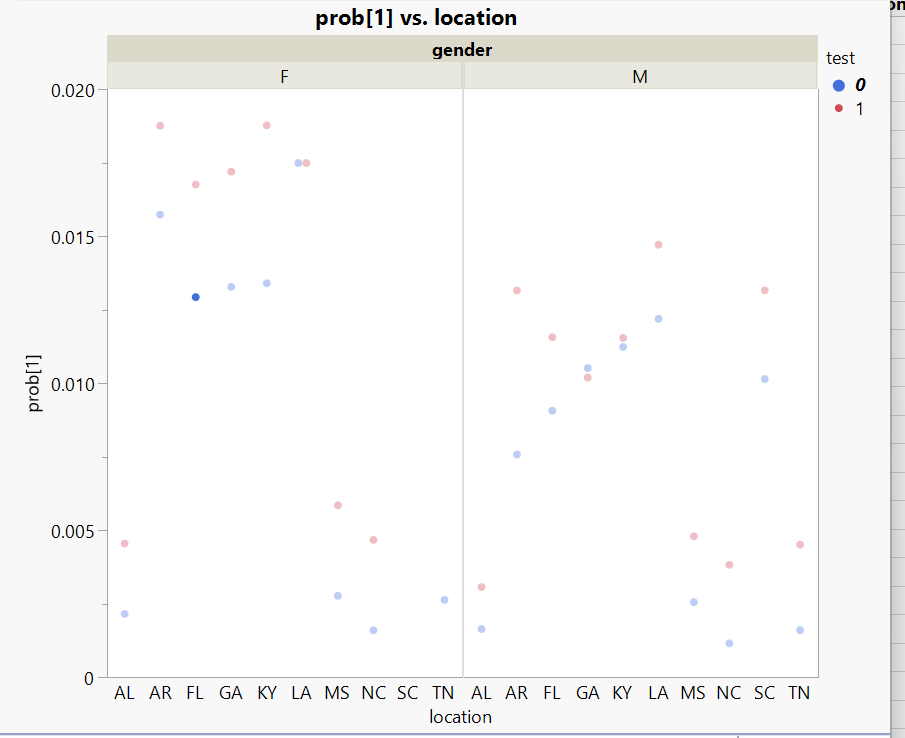
When the Numbers Lie: Statistical Modeling in Ad Tech
A new ad design 'won' overall — until we broke it down by segment. Two groups actually converted better on the old design. Aggregate metrics hide where your model actually fails.
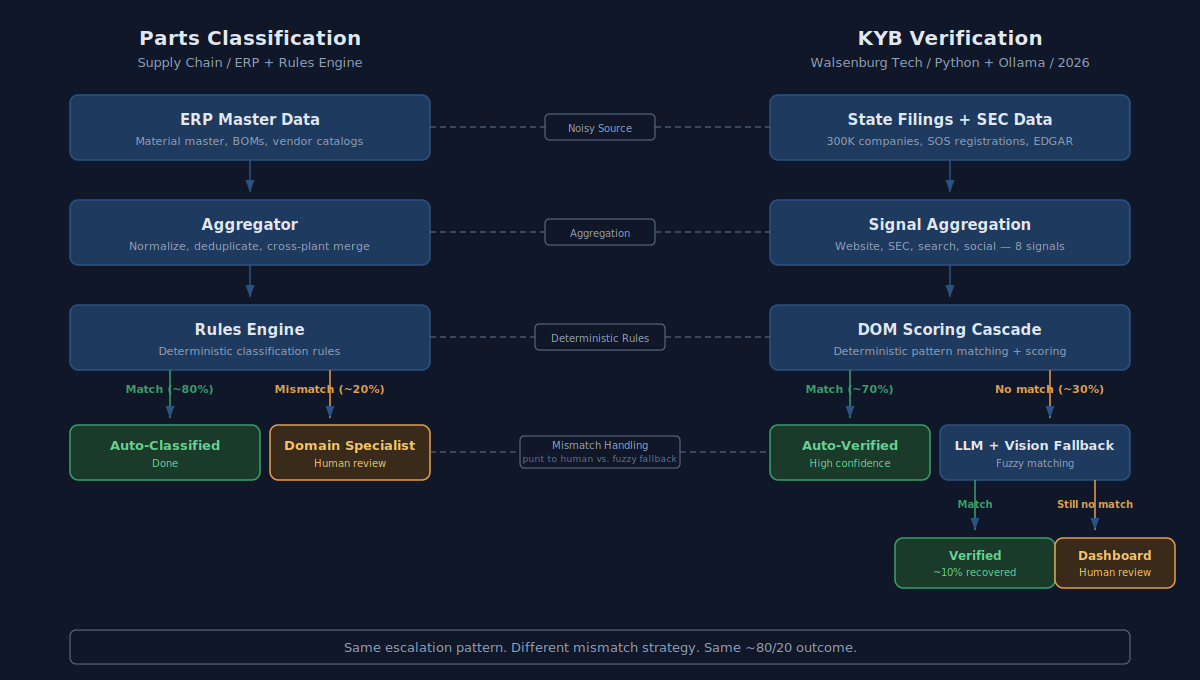
The 80% Problem: What Supply Chain Taught Me About AI Agents
AI agents process thousands of companies a day — but still need a human to verify the results. I built this same escalation pattern a decade ago in global supply chain. The tools changed. The architecture didn't.
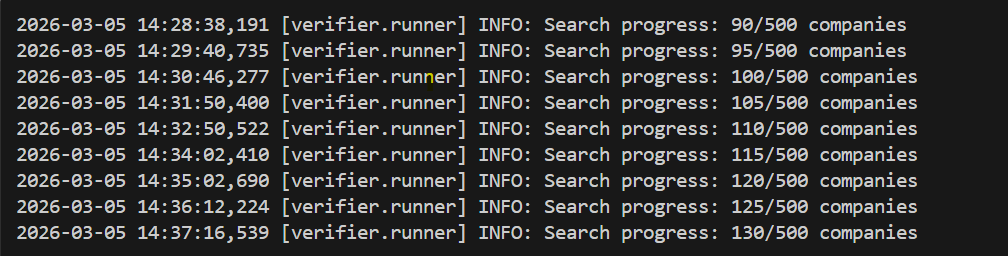
Know Your Business: Building an AI Engine That Verifies 1,900 Companies a Day
How we built a fully automated KYB verification engine that processes thousands of companies daily — from data sources and tiered processing to stealth browsing and eight verification signals.
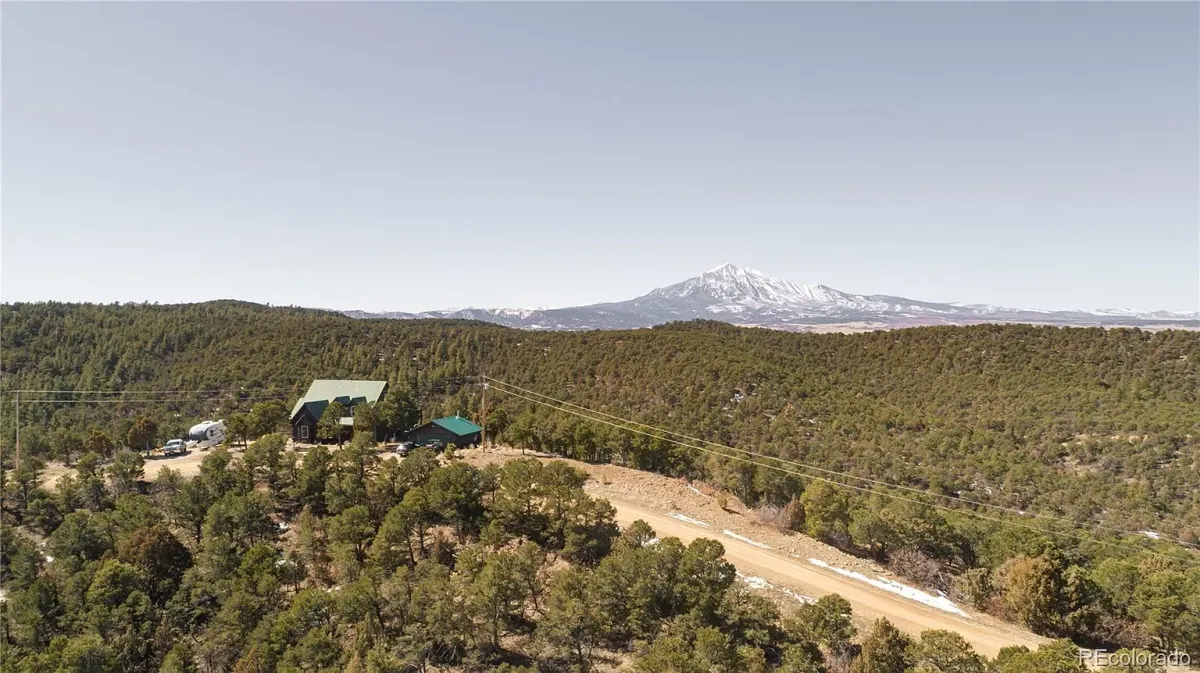
The Sovereign Stack: Why a Lead Architect Builds His Own Infrastructure in the Rockies
Why Walsenburg Tech self-hosts on Hetzner and Coolify — bare metal strategy, identity management, monitoring challenges, and the cost wins that make it all worthwhile.
Want to talk engineering?
Have questions about anything you've read here? I'm always up for a good architecture conversation.